
The finance conversations that stood out this week were not about panic. They were about posture. The strongest teams are not assuming clarity is coming back soon. They are planning as if volatility, cyber pressure, and shifting customer demand will remain part of the landscape for a while, which changes how CFOs need to think about forecasts, controls, and capital deployment.
This issue covers the resilience premium now showing up in finance, a practical way to pressure-test your decision-making process as conditions keep changing, and three articles worth your time.
That broader pressure on finance teams is also why practical operator resources matter more right now than polished theory. Today’s sponsor is worth a look if you are thinking through how finance leaders can stay sharper as the environment gets harder to read.

Taking months to implement FP&A tools should be illegal…
There is a new rising star that is setting the bar for what “time-to-value” should be for FP&A software. Hint, it’s measured in hours, not months.
Aleph is an AI-native FP&A platform that seamlessly connects your cross-system data, spreadsheets, and strategy at the speed of startups with the power to support enterprises.
You can try out Aleph right now (with your own data) for free. Zero risk with endless upside.
THE NUMBER
5% median revenue growth expected by surveyed CFOs over the next year
That number sounds constructive, but the more useful insight is that optimism and uncertainty are now coexisting inside the same financial outlook. The latest CFO Survey found revenue expectations holding up, even as tariffs, labor quality, sales outlook, and broader uncertainty remained top concerns. That combination matters because it tells you the finance function is not being asked to choose between growth mode and defense mode. It is being asked to run both at once.
If your planning process still assumes stability is the base case, it is probably lagging the environment your peers are already operating in.
THE CFO EDGE: The Decision Cadence Test

At one company, the issue was not that the forecast was wrong. It was that the forecast review rhythm had been built for calmer conditions. Sales assumptions were updated monthly, risk signals were reviewed separately, and nobody had a consistent way to decide when new information actually required action. The team thought it had a planning problem. What it really had was a decision cadence problem. By the time leadership aligned on what had changed, the business had already moved again.
Step 1: Separate signal review from full forecast revision.
Not every new development warrants a rebuilt model, but every major signal deserves a defined review point.Step 2: Identify the three assumptions that can most quickly break your current plan.
Demand, cost pressure, and operational disruption are usually better starting points than broad macro narratives.Step 3: Set trigger thresholds in advance.
If a tariff change, cyber event, customer slowdown, or hiring shift crosses a defined line, the team should know immediately whether it calls for escalation, scenario work, or no action.Step 4: Keep the response group small.
In volatile periods, slower decisions often come from too many people trying to validate the obvious.Step 5: Review the speed of the decision, not just the quality of the answer.
In unstable conditions, a decent decision made in time is often safer than a perfect one made too late.
Immediate payoff:
When conditions shift mid-quarter, finance can respond through a defined operating rhythm instead of treating every surprise like a special event
THE EXECUTIVE BRIEF

CFO Brew looks at the mindsets shaping how middle-market leaders are performing right now as they manage through continuing uncertainty.
My take: What matters here is not uncertainty by itself, but whether leadership teams have built a repeatable way to make decisions while visibility stays imperfect. The middle market usually feels this first because it has less room for strategic drift and less tolerance for slow correction.
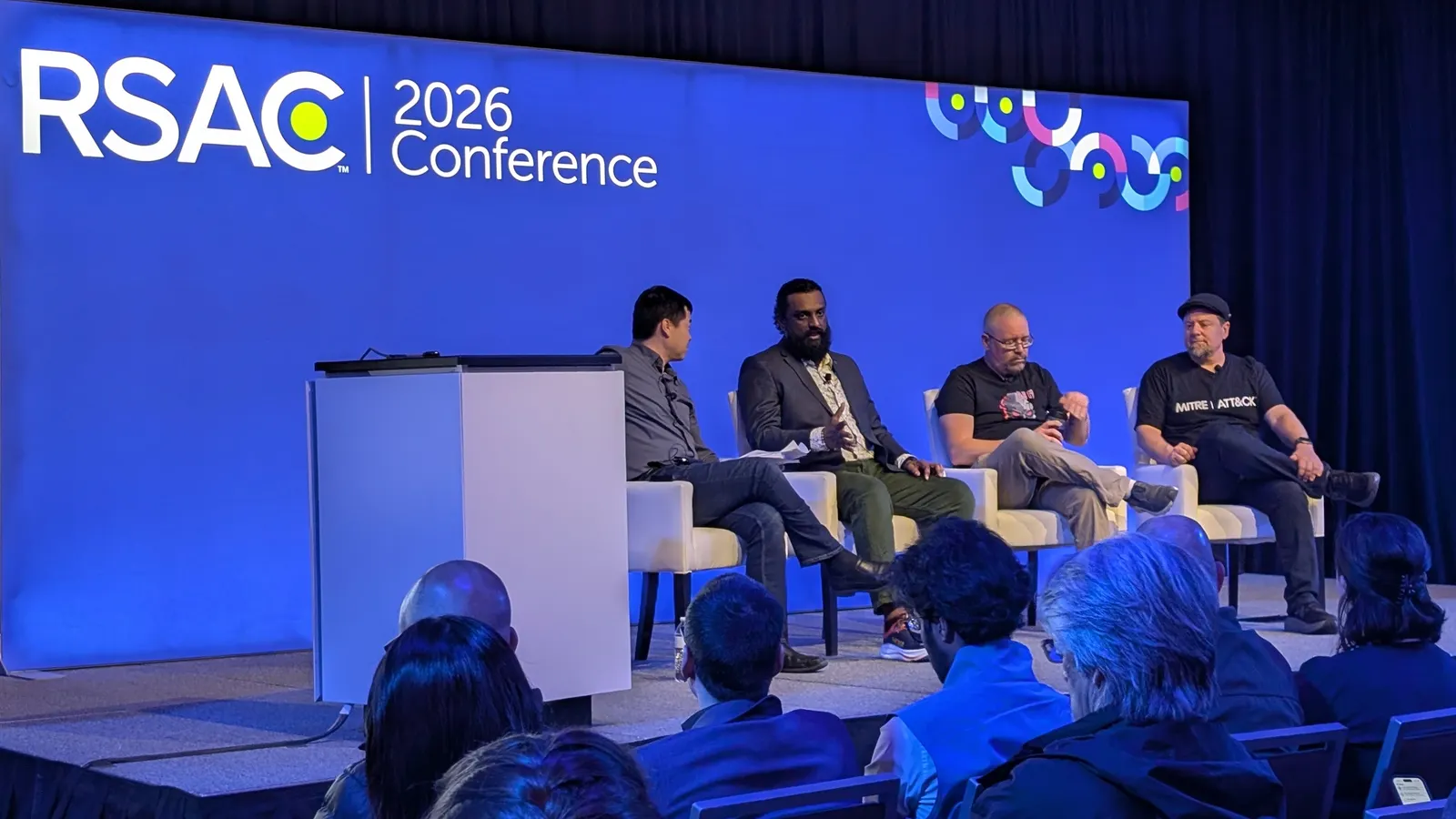
Cybersecurity Dive reports that security experts at RSAC 2026 warned companies not to shift budgets away from core controls toward AI tools too quickly, because AI is helping both defenders and attackers while also introducing new risks.
My take: Finance leaders should read this as a capital allocation warning, not just a security story. Buying AI to look current while underfunding basic controls is exactly how a modern budget starts to rot underneath the headline strategy.

The Richmond Fed and Duke CFO Survey shows that financial decision-makers entered the quarter with solid growth expectations, continued hiring plans, and rising AI investment, even as tariff policy and uncertainty remained major concerns.
My take: This is a useful reminder that resilience is not the same thing as caution. Many finance teams are still willing to invest and hire, but they are doing so in an environment where planning must absorb more friction and policy risk than topline numbers alone suggest.
FINANCE STACK: The Trigger Ledger

The most common place I see this break is when finance teams confuse awareness with readiness. Everyone knows the environment is unstable, so everyone believes they are being vigilant. But when you ask what specifically would trigger a pricing review, a scenario update, or a defensive cost move, the answers are usually still too vague to run the business on. The team has concerns. It does not yet have a trigger system.
Step 1: Write down the five external developments most likely to force a change in your plan. Tariffs, demand softness, labor constraints, cyber disruption, and cost inflation are common starting points.
Step 2: Next to each one, define the threshold that would actually matter. Not a headline. A condition that changes your operating assumptions.
Step 3: Assign one owner to monitor each trigger. Shared awareness sounds good, but it usually means no one is accountable for escalation.
Step 4: Link each trigger to a predefined response. Review pricing, update scenarios, pause spend, raise liquidity attention, or hold course.
Control check:
Can you produce, right now, a list of the external signals most likely to disrupt your plan this quarter, who owns them, and what action each one should trigger? If not, that ledger is your next 30-day project.
CFO PULSE
Which trigger do you define first to make uncertainty operational?
THE BOTTOM LINE
The finance function is being tested less on prediction right now than on adaptability. Leaders do not need perfect visibility to move well, but they do need a better operating rhythm for uncertainty than many organizations were built to handle.
That is why this week’s pattern matters. One piece highlights the decision-making habits that help middle-market leaders stay effective when conditions are unsettled. One warns that AI spending can weaken the basics if companies mistake novelty for resilience. One shows that CFOs still see reasons to grow, hire, and invest, even while major external pressures remain unresolved.
The common thread is straightforward. Finance resilience is becoming a speed-and-discipline problem, not just a forecasting problem. The teams that handle this quarter best will not be the ones waiting for uncertainty to clear. They will be the ones who know which signals matter, how fast they need to respond, and where the business can still move with confidence while the environment stays noisy.
Until next edition. — Marcus Reid, CPA.
Have you already made calls on which finance roles to shrink, evolve, or protect as AI takes hold? Reply directly to this email. I am collecting examples of how finance leaders are drawing that line while preserving their function.

Marcus Reid, CPA
Editor-in-Chief
I spent 14 years as a CFO at a $2.4B public manufacturing company. I've watched CFOs lose their jobs not because they got the numbers wrong, but because they got the story wrong. That gap is what CFO Executive Insights exists to fix. No fluff. Just practical playbooks for modern finance leaders.
P.S. Interested in reaching our audience? You can sponsor our newsletter here.
